Repairing mortar joints with care
Mortar joints form part of the wall’s character as well as its construction. Before repointing, it is worth understanding whether the mortar is failing, what material is already there and which areas actually need work.
The SPAB’s guidance on repointing recommends retaining sound historic mortar rather than replacing it unnecessarily. That supports a considered repair approach: pay attention to the affected joints and the condition of the surrounding masonry.
Small stone and masonry repairs
Traditional building care often involves local details rather than an entire renovation. My work includes lime mortar and pointing repairs, stone and masonry details, and small repairs to older buildings.
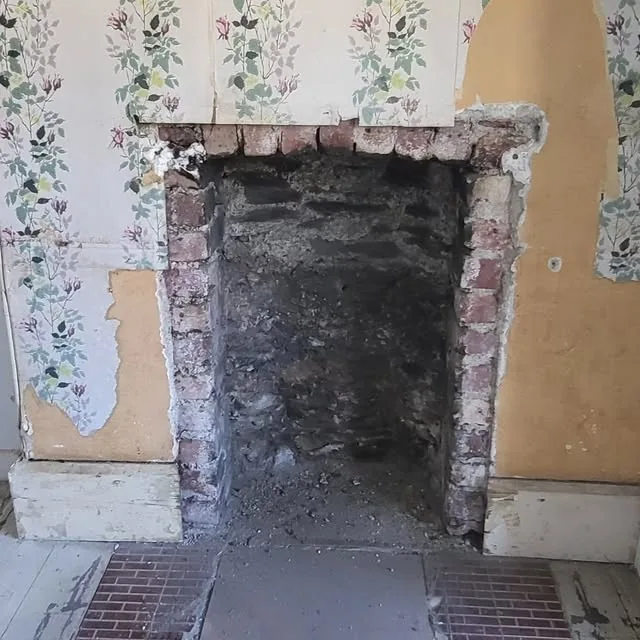
Tell me which part of the building needs attention and send a photograph showing the whole area. A close-up can help show the joint or damaged surface, while the wider view gives the context needed for an initial discussion.
What we consider before starting
- The existing stonework, brickwork and mortar
- Which joints or details are damaged
- Previous repairs and their condition
- Access to the work and surrounding surfaces
- A suitable repair scope and finish for the building
Connecting the repair to the wider building
If there is also damp or damaged render, mention it when you get in touch. Looking at related symptoms together helps us discuss the next step rather than treating each patch in isolation.
I am based in Looe, Cornwall. Send your location with a few photographs and we can discuss whether I can help with your wall, pointing or masonry detail.
Further reading: The SPAB’s advice on repointing. Linked as independent guidance; no membership or accreditation is claimed.